Starting a Pilates Practice: The Only Three Things You Need
Introduction
Basketball, soccer and running are sports that have a low cost of entry. You essentially need a ball, a net, and shoes. Public parks and trails provide the space, you bring the ball and shoes and the desire to move.
Mat Pilates is no different. The practice was devised as a form of bodyweight exercise that could be done with no equipment and limited space. If you’ve ever wanted to get into Pilates but balked at the prices of studio memberships or class packs, this is the post for you.
While current marketing around the Pilates industrial complex has created a myth that the practice is expensive and out of reach, mat Pilates is one of the most accessible movement practices out there.
You only need three things to start a mat Pilates practice: a mat, a flow to follow, and resources to ensure you’re doing the movements correctly.
This post will share where to get all three for free or very low cost.
First, the Mat
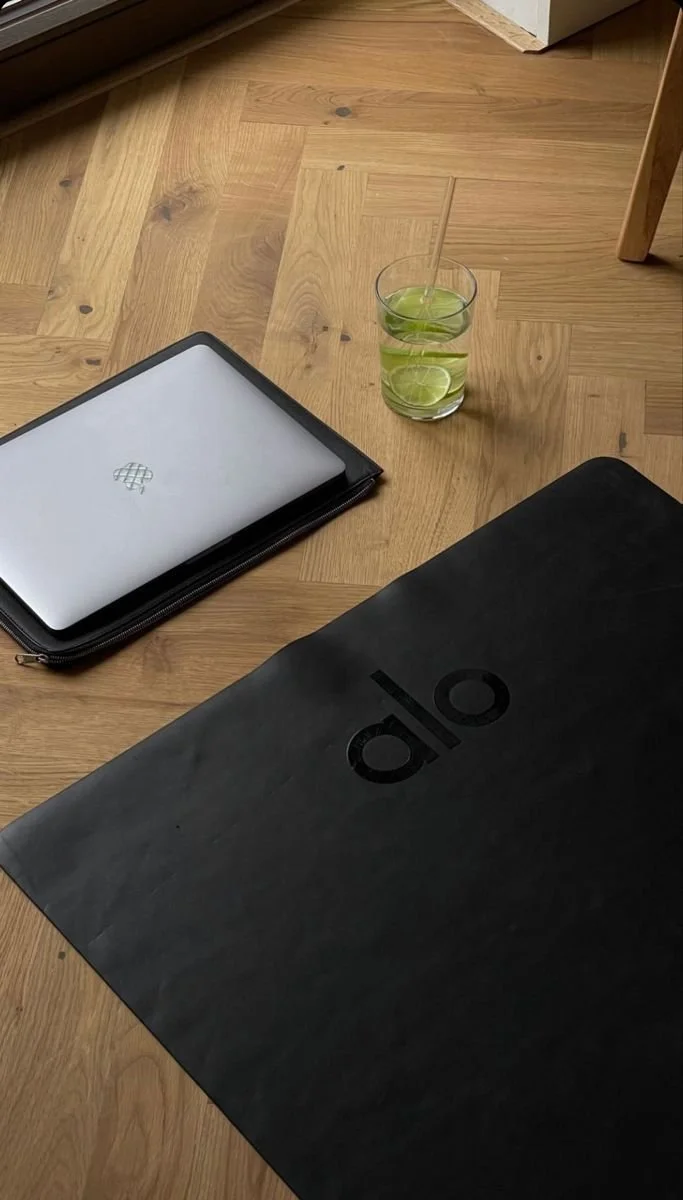
The mat is where you will be doing your floor work. Because Pilates involves prone and supine positions, having a mat that offers both stability and cushion is critical for safety, comfort, and balance. Thin, standard-issue yoga mats are not recommended as they do not offer enough cushion for the spine and other bony prominences. Look for a mat that offers 4mm minimum of cushion. You may find you want something as thick as 10mm to 12mm. In a pinch, you can stack multiple yoga mats on top of each other to achieve the desired thickness if you are unable to purchase something new for your practice right away. My third post in the accessible Pilates series shares my favorite mats for Pilates with recommendations on what to look for when buying new or second-hand.
When you start running, you put consideration into your running shoes. Buying a Pilates mat should be the same. It’s the one piece of equipment you truly need and where you will be spending a lot of time, so it’s okay to spend some time comparison shopping before you invest. Apart from having the right technical specs, it should be something you find beautiful to look at. This will inspire and motivate you, making it easier to romanticize your routine so you stick with it. If you’re buying brand new, spending anywhere from $20 on the low-end to $150 on the high end is a reasonable expectation. However, expensive mats aren’t always better. What’s more important is knowing what you need and where you can find it. To find your ideal mat, read my third post in the accessible Pilates series: The Best Pilates Mat for Your Practice
Second, the Flow to Follow
Like yoga, classical mat Pilates follows a set routine of movements. When you’re starting and learning the movements, having a class to follow will recreate that studio feel at home and help you get a feel for the practice
Free Options
This app is now free. It offers thousands of mat-based movement workouts for no cost. Simply create an account, and filter in the app by workout type to show only Pilates classes. You can also filter by difficulty level and length of time to find the right class for your skillset and how much time you have to practice that day. The visuals are gorgeous. You could download this app and never run out of at-home workouts from top instructors without spending a dime. You can also access tons of free yoga, barre, and HIIT workouts in addition to stretching and meditation videos.
This is a fantastic Youtube channel from a certified Pilates and Yoga teacher. She has hundreds of videos for free on her Youtube that are challenging and fun. Her cueing is also excellent, so you can be confident that you’re making that critical mind-body connection and doing the movements right.
Paid Options
There are many apps to choose from, but the best by far is Pilatesology. I love it because it takes a classical approach. There are guided plans by skill level, with classes grouped together. They have beginner, intermediate, and advanced mat Pilates class playlists. There’s a pre-Pilates playlist for those who are new to exercise or recovering from injury to ease into it safely and effectively. I also love that they have a Chair Pilates playlist for those who cannot be in prone or supine positions on the floor.
If you want to know what level you should start at within the app, they have a Pilates Self-Assessment class. Simply follow along with the instructor in the video and take note of what movements are easy and what are challenging to get a better feel for where to start in the app. There are also video playlist series with exercise tips, and even a course on Pilates pre and post hip replacement.
I’ve tried a lot of apps over the years, and I can say from experience that Pilatesology is the best and most comprehensive option. It is accessible, inclusive for different ages and abilities, and truly takes an educational approach. You will learn A LOT from these world-class instructors and their videos approach. The price is competitive and fair at $22/month or $194 a year. If you’re serious about learning Pilates, this price is well worth it when studio classes at $40 a pop are not possible. I have not found an app or online resource that offers this level of comprehensive instruction and a truly classical approach.
Third, the Reference Material
Because Pilates is focused on precision in movements, it’s important to have resources you can reference to ensure you’re doing the movements correctly. Sometimes cueing in videos and classes just doesn’t connect with your brain. Having a book at home to reference with photos and will deepen your understanding. The two books below I consider must-haves for starting a Pilates practice.
Both can be bought used to save money (and the environment). A quick google search of these titles should shore up links of where to buy each for anywhere from $5 to $15. These books are investments and in my opinion are critical for ensuring you are doing the movements correctly without an instructor.
Many free videos on YouTube or in the Alo Moves app will not show modifications if you have mobility limitations or lack the skills for more advanced poses. Having a book that shows several modifications for every pose will help you tailor your practice while being safe and not getting discouraged. Paired together, these two books below will become your go-to study materials as you learn and improve.
The Pilates Body by Brooke Siler
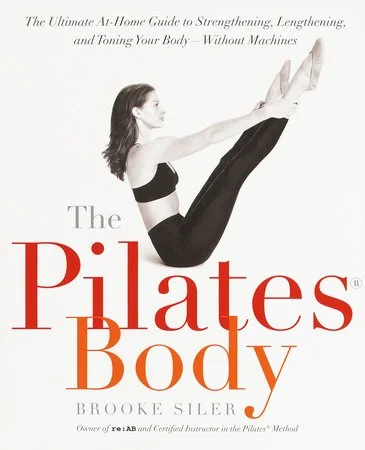
First published in 2000, the Pilates Body has become a contemporary Pilates bible. It has detailed step-by-step instructions for all 34 mat work movements. It also includes instructions for standing arm exercises, wall poses, and advanced extras like the twist II and rocking. This book is essential for understanding the postures and doing the movements correctly.
Pilates for Everyone: 50 Poses for Every Type of Body by Micki Havard
I love this book. It is the most accessible and inclusive Pilates book I have seen on the market. Its strength is that it shows modifications for 50 of the most common and beginner-friendly Pilates poses. And not just one modification per pose, but at least three, so you can really see and understand how to do each movement at any level.
The book was written by a Black woman Pilates instructor whose mission is to bring Pilates to as many people as possible, and the movements, modifications, and models reflect that ethos. The models in the photo include a variety of ages, both young and old, and a variety of body sizes, backgrounds, and abilities. I love that this book includes a whole section on chair Pilates for clients for whom mat work on the ground is not possible or advisable. She also has a section in the back with some sequences, so you can follow along for a workout of your own.
Putting it All Together: Starting Your Practice
Once you have your mat and your books, it’s time to get started. My recommendation? Make a commitment to do a little bit every day.
When I was growing up, my parents made me and my siblings learn both a language and an instrument. We could choose our instrument and our language, but we had to pick one and we had to practice for thirty minutes every day. You can take the same approach with your mat Pilates practice. Learning Pilates is no different than learning the violin or Spanish (Honestly, I think Pilates is easier to pick up than the Suzuki Method or verb conjugation). Set a timer for anywhere from 15 to 30 minutes and dedicate it to rolling out your mat and moving around. One day you could do a Move with Nicole video on YouTube. The next day you could get out your books and really practice a single movement until you refine it. Another day you could follow a video series on Pilatesology. It doesn’t matter what you do. What matters is the consistency that you practice with, and that you approach it with a sense of discovery and fun. You’re learning a new movement language, so take the time to really savor and enjoy your studies.
Personally, I like having the Pilatesology app so I can follow along with a sequence tailored to my current level and learn more about the Pilates philosophy and the movements in a more structured way. I like to do a free Move with Nicole or Alo Wellness Club video for a fun way to break up routine, try something new, and recreate that fast-paced studio class feel at home. I like my books so I can dive deep into poses and really study the 34 mat movements as an entire sequence. It’s a nice triad of resources that provides comprehensive instruction for next to nothing of a price investment. I already had a mat, so between the used books (around $12 each) my biggest expense is the Pilatesology app at $22 a month.
When to Pursue an Instructor or Regular Studio Classes
There is nothing that can replace the expertise of a trained Pilates teacher. They will teach you proper movement, alignment, breathing, posture, and more and can provide insight on modifications or recommendations tailored to your body and skill level. This post is NOT to say that studio classes or the expertise of an instructor can be DIY’ed from home. It cannot. However, studio classes, and semi-private or private instruction is quite expensive. We need accessible resources to learn and practice. These affordable resources are great for everyday practice. How do you know if you want to invest in Pilates if you have no way to try it yourself beforehand? And in-between your private lessons or studio classes, how do you maintain your skills? These resources are here to show you how to refine and deepen your practice at home for free or very low cost.
If you start practicing at home, fall in love with it, remain consistent for a couple months, and crave deeper instruction, that’s a great time to start booking classes or investigating studios if you’re looking for community and an instructor.
Conclusion: What to Do Next
If you’re excited by the prospect of starting a home Pilates practice, here’s your checklist:
Get Your Mat
Buy The Pilates Body & Pilates for Everyone book used online
Download Pilatesology and try a free two-week trial
Open an Alo Wellness Club free account and save some Move with Nicole Videos to a private YouTube playlist
I’m excited to see you on the mat soon!