Pilates Started as a Prison Workout
Luxury Pilates studios give you a fish so you eat for a day. This three-part series is designed to start teaching you how to fish so you can do Pilates for free, at home, every day.
I’m a personal trainer and a content marketer. Both backgrounds give me expertise and experience that allow me to hate on how Pilates is marketed in 2026.
We need to reclaim this modality as the rehabilitative and accessible tool that it is so more people can have access to its benefits. This is especially important because people who are deconditioned, older, have musculoskeletal issues, chronic disease, or anything else that makes getting started with fitness harder need to know that Pilates can be a truly helpful and restorative practice they can do easily. Anytime, anywhere. For free.
I care so much about this topic and getting more people into Pilates that I have a three-part series loaded up and ready to launch into the free t-shirt cannon that is my blog. Here goes.
Part 1 (this one) will aim to reclaim what Pilates is so we can take this modality back from the current clutches of Ozempic culture that would rather women shrink themselves while getting poorer in the process. We’ll cover:
Why the Current Culture Around Pilates Needs Shifting
What Pilates Is
Who Joseph Pilates Was
What Pilates Was Intended For
Making Pilates More Accessible with Mat Pilates
Reclaiming Reformer Pilates’ Rightful Place in Rehab and For Special Populations
In Post 2, I’ll cover the tools you need to start practicing mat Pilates at home right away (hint; it’s literally two things, a mat and free or low-cost resource to follow and learn from.) In Post 3, I’ll cover mat considerations and what to look for when shopping. Because a mat is the only tool you need to start practicing and comes with some unique comfort and stability needs different from yoga, we’ll dive into the details of why a basic thin yoga mat isn’t recommended and what to use instead.
Pilates Started as a Prison Workout: Why the Current Marketing Around Pilates Must Shift
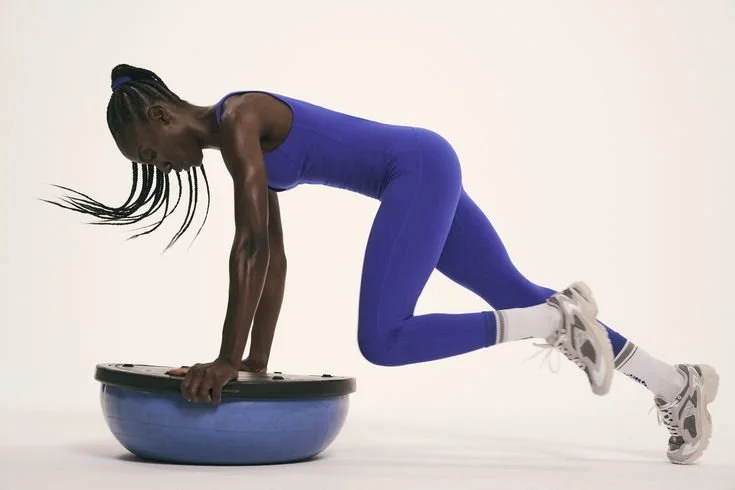
Pilates started as a prison workout, from a detained immigrant who wanted to maintain his health and those of other inmates. Wild, right? But if you’re alive and on social media and especially if you are both of those things and a woman you’ve likely been inundated with the reels, carousels, and studio selfie pics of women (usually thin, well-coiffed, often but not always white, always in expensive matching sets) doing graceful exercises on a Cadillac Reformer. How did we get here?
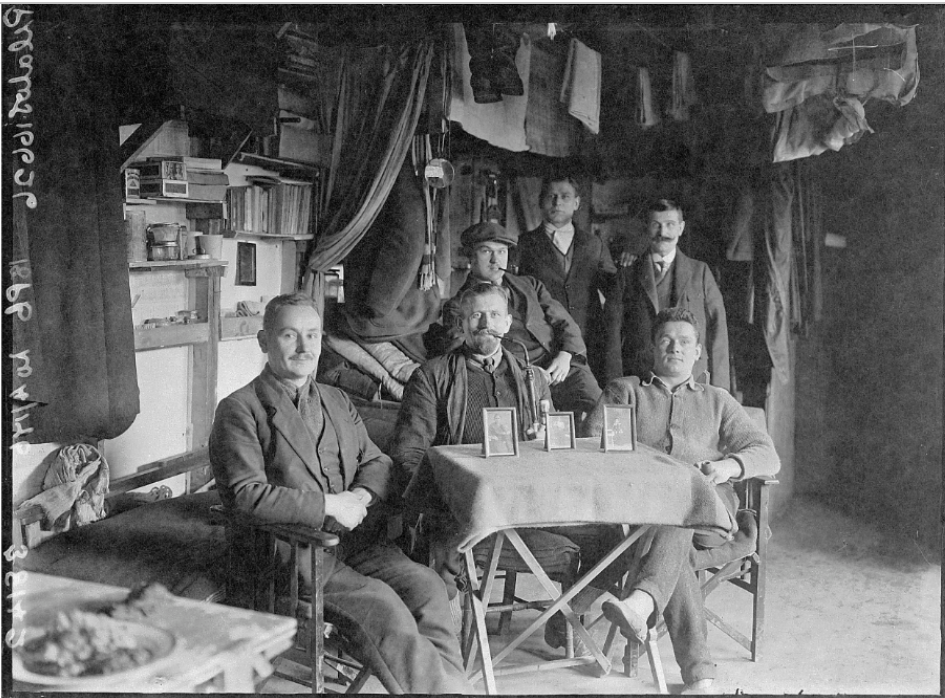
Joseph Pilates (right) at Knockaloe Internment Camp, Around 1917. (C/0 Manx National Heritage.)
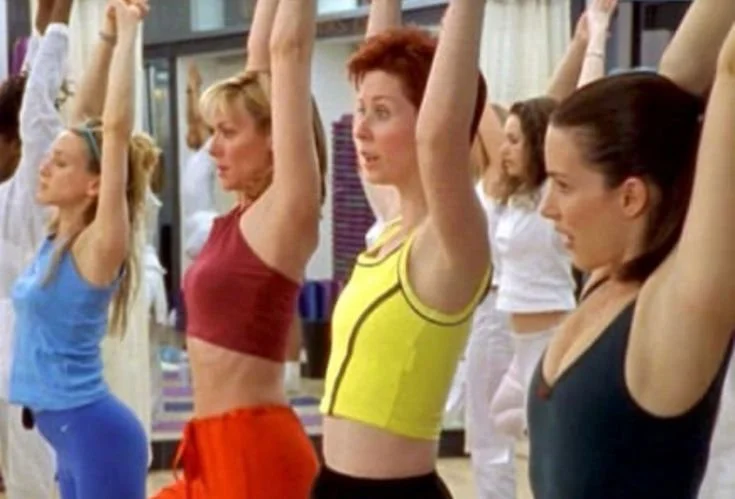
Let’s take it all the way back to the 90’s and early 2000s when calorie restriction, boutique studio classes, and the original yoga mom aesthetic (think every mom in The O.C) and Samantha in Sex and the City made fitness in the form of boutique studio classes a luxury good and a cultural touchstone. Pilates was always a rehabilitative practice that many dancers and ballerinas in New York vibed with back in the day. In fact some of America’s most famous dancers alive while Joseph Pilates was doing his thing like Martha Graham went to Pilates’ New York studio and used him as a sort of physical therapist to either make their bodies more resilient or to recover from the grueling physicality their jobs and art demanded. So the Pilates connection to fitness studio culture, dancers, ballet, and the rich/ moneyed set was already there. In 2015 westernized yoga reached peak saturation and began to decline in cultural significance, and so a new, trendy mat-based practice was needed to signal superiority. In the mid 2010’s boutique formats like Pure Barre, Soul Cycle, and Barry’s gained mass appeal. The Pilates Princess aesthetic took off in 2020 as we started doing more mat-based workouts at home and downloading TikTok. We were all bored as a gourd so pickleball and Pilates were picked up as ways to stay sane while the world burned. Pilates has been a very real and very loud social status symbol ever since, really taking off around 2021 once people could start going to studios again, and has developed into its own subculture.
I love Pilates. What I don’t love is how its marketed to us.
What Pilates Is
If physical therapy, westernized yoga, barre, and calisthenics had a baby, I’m pretty sure you’d wind up with Pilates. It prioritizes proper posture and muscle force-couple relationships along with diaphragmatic breathing while engaging in isolated strengthening movements, poses, and holds. It prioritizes precision in movements so that the correct muscles and muscle groups are getting trained at the right time. These focuses are also the same thing any good trainer, coach, or program is going to focus on when weightlifting, running, or doing pretty much anything related to working out your body. Pilates just takes a slightly more clinical and corrective exercise approach than other modalities.
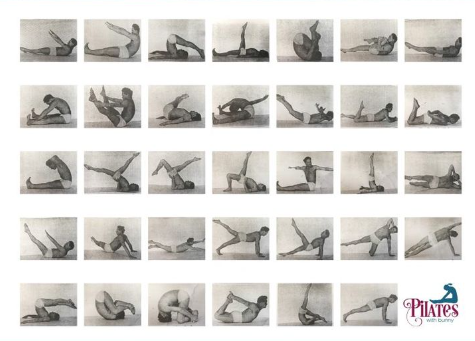
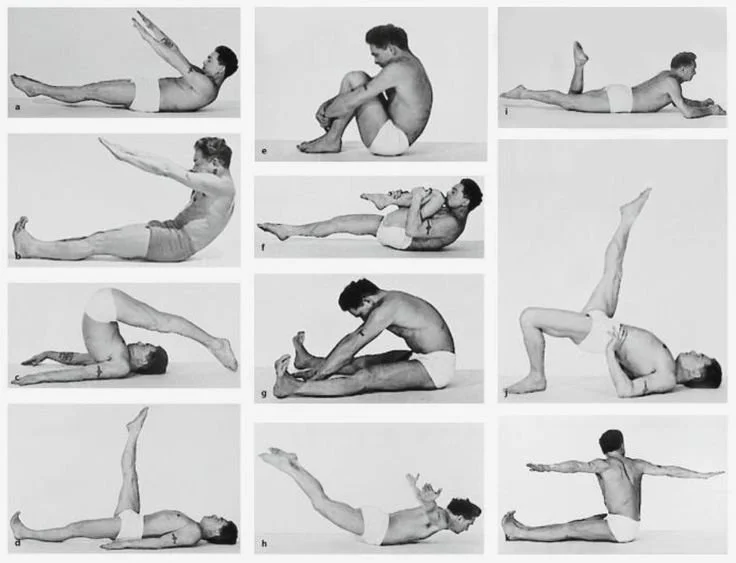
Pilates started out being called Contrology with a series of 34 movements that formed the basis of this rehabilitative program. These movements were all done on a mat. No straps, bands, stirrups, balls or rings anywhere in sight, and certainly not any reformers.
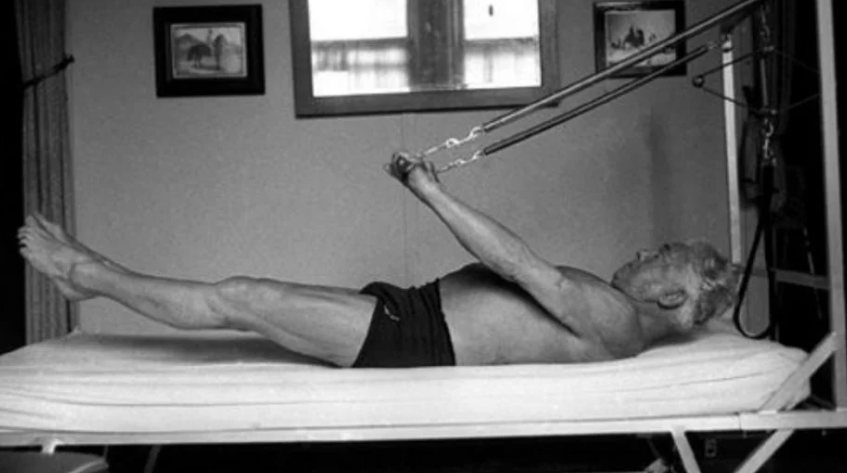
In fact, it was not until later that the reformer as we know it was developed. You may have noticed that reformers look a bit like creepy hospital beds, and that’s because that’s what they started as. Pilates was developed and launched during the two world wars and a lot of these springs and pulleys were sorted out because soldiers and interned people needed a way to build up their strength and functionally again even while severely injured or malnourished.
Who Joseph Pilates Was
Pilates was invented by Joseph Pilates. Born in 1883, Lil’ Joe grew up as a sickly, weak kid who was often unwell and small for his age. He obviously didn’t like this or enjoy being teased for his size so as he grew older he prioritized strength training and body building with things like gymnastics, martial arts, jiu-jitsu and boxing. He eventually got so good at this that he became a prize fighter, circus performer, and self-defense trainer. Because of his German background and transient lifestyle, I guess the British thought he was sus so they essentially abducted him and put him in a detention center during World War I.
During that time he developed what became his floor-based Contrology system built around 34 essential exercises. In addition to using it to maintain his health while in detention, he also used it to rehabilitate and strengthen other detainees, even hosting group fitness and self-defense classes of his own at the camp. He was eventually transferred to the largest detention center in the UK on the Isle of Man. This is where he further refined his system while observing the stray cats that roamed around, where he was inspired to create method of stretching and pandiculation based on their movements. So yeah, Pilates as you know it was started because an immigrant was sent to detention center based purely on xenophobic fears at the time, got bored as fuck, and developed a prison workout system inspired by his life as a circus performer and stray cats to maintain his health under severe constraint and forced manual labor. I realize I’m giving you the Drunk History version of this but you can go to the sources linked below for the legit intel. Once he was released he went back to Germany and worked with other experts in physical rehab, dance, and self-defense.
During Pilates’ internment, he also worked as a nurse helping to care for and rehabilitate those sick, injured, wounded, malnourished, and otherwise bedridden. This is where he developed what later became the Cadillac Reformer. For detainees too sick or injured to walk he began using the springs of mattresses attached to the bed to help strengthen their muscles without ambulation so they could regain function and return to activities of daily living.
When Pilates moved to New York City to escape World War II (likely he didn’t want to wait for things to further pop off and risk being detained again), he met his wife on the ship to America. (Meet-cute? Or trauma-bond?) Once they got to NYC, they opened up a studio where they directly taught and supervised people their Contrology methods. A devoted following amongst the New York City performing arts and ballet set developed naturally.
What Pilates Was Intended For
Pilates intended his program to be for everyone. It was especially devised to assist those with ailments, mobility challenges, and other physical limitations. He took a mind-body integration and almost clinical approach to devising a program focused on matching awareness of the breath and muscle activation to a program that is designed to strengthen weak muscles and lengthen and stretch overactive ones, bringing the body to a state of balance and equilibrium. His background as a circus performer, his dedication to precision in movements, and his inventiveness when it came to devising tools for assisting his clients to rehabilitate themselves lends itself well to both the dance and physical therapy community, which I see as both being adjacent to the world of Pilates.
Pilates was already well-versed in using bodyweight workouts and calisthenics like movement to maintain his health and strength. Being placed in a detention center forced him to continue his dedication to studying human movement science and testing the methods on himself while under constraint. He devised the 34 mat work movements as something that can and should be done by anyone everywhere daily as a kind of bodyweight maintenance routine to maintain posture, alignment, mobility, and muscle tone.
Pilates developed the reformer initially to help people learn and complete the mat work easier. When you’re on the mat, you have no ankle bars or springs or pulleys or platforms to assist you. Remember, Pilates started experimenting with early forays into the reformer by attaching springs to hospital mattresses so patients could strengthen and elongate their muscles while being bedridden. This rehabilitative and accessible focus on making exercise possible for those otherwise disabled is partly why current Reformer Pilates marketing and pricing makes me so frustrated. It takes a practice that was devised to make mobility and movement more accessible for people who couldn’t otherwise walk or move and makes it into a luxury good.
Why I Dislike Current Pilates Culture as a Personal Trainer
Pilates is truly a corrective exercise modality. This is critical. It’s a lovely practice for beginners, older adults, people rehabbing from injury, or those with musculoskeletal dysfunction and disease. It trains your local core muscles and builds stability, which is kind of step one if you want to go from couch to CrossFit. It is EXACTLY these beginner or deconditioned populations that need access to Pilates if they want it. And when the marketing tells you it’s only done by certain people who look a certain way who make a certain amount of money, and who are already pretty trim and athletic, it keeps people who could really benefit out.
I also deeply dislike how anything remotely corrective exercise-focused over the last five years has been colonized as “Pilates” and then sold back to us at a premium. Many of the corrective exercise strategies and props utilized in any good, well-designed fitness program are being labeled as Pilates and then priced exorbitantly and kept out of reach for people because the mere association of this trendy modality posits a higher price.
Case in point: those BetterMe Pilates kits that include a set of bands and mini bands, with grip socks, a magic circle, and ankle weights. They look cute until you look at the price. $299! Ugh. All of that stuff at Marshalls TOPS would cost $90 to acquire. And the only thing in there that is specific to Pilates is the ring. And even spending $90 on fitness accessories you might not even use or like is a lot of money to ask most working people to outlay before starting a new program.
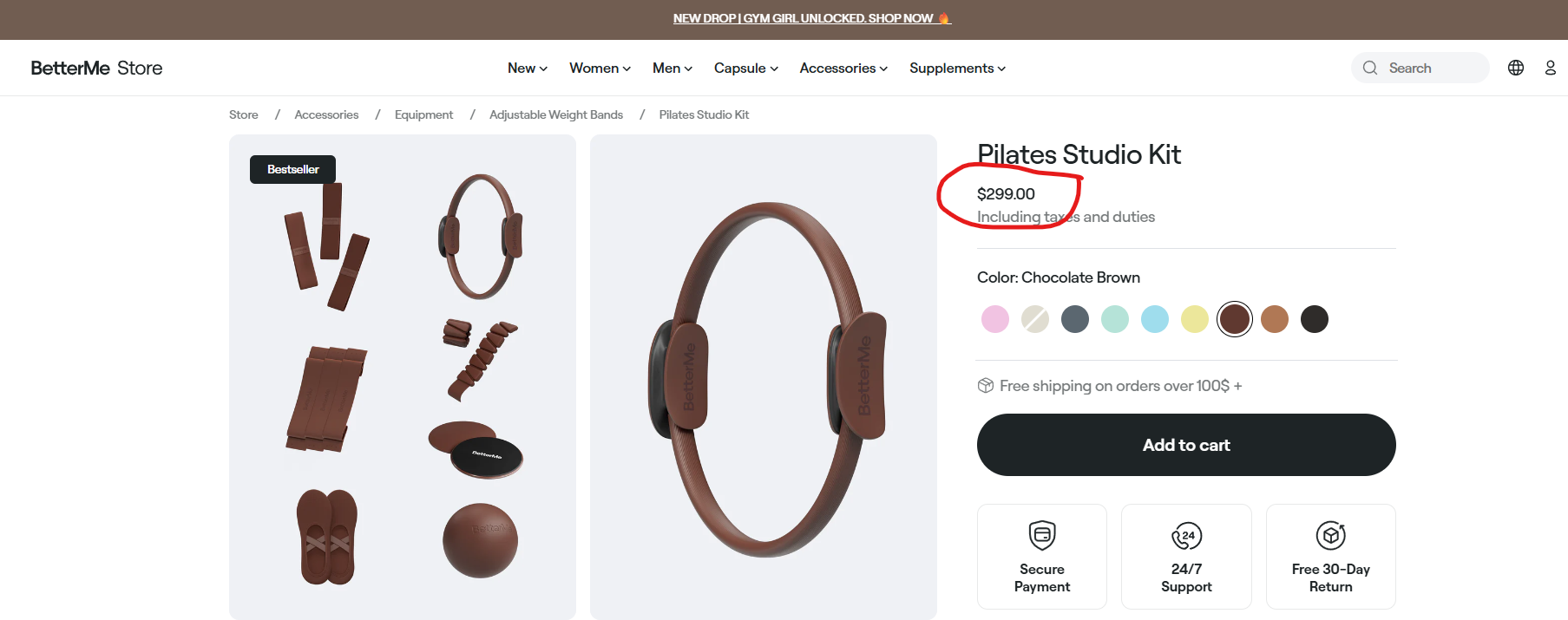
Friends don’t let friends waste $300 on the BetterMe Pilates Studio Kit. All this stuff costs like $90 max at Marshall’s or TJ Maxx. And I still think that’s a lot.
Pilates is truly a corrective exercise modality. This is critical. It’s a lovely practice for beginners, older adults, people rehabbing from injury, or those with musculoskeletal dysfunction and disease. It trains your local core muscles and builds stability, which is kind of step one if you want to go from couch to CrossFit. It is EXACTLY these beginner or deconditioned populations that need access to Pilates if they want it. And when the marketing tells you it’s only done by certain people who look a certain way who make a certain amount of money, and who are already pretty trim and athletic, it keeps people who could really benefit out.
I also deeply dislike how anything remotely corrective exercise-focused over the last five years has been colonized as “Pilates” and then sold back to us at a premium. Many of the corrective exercise strategies and props utilized in any good, well-designed fitness program are being labeled as Pilates and then priced exorbitantly and kept out of reach for people because the mere association of this trendy modality posits a higher price.
Case in point: those BetterMe Pilates kits that include a set of bands and mini bands, with grip socks, a magic circle, and ankle weights. They look cute until you look at the price. $299! Ugh. All of that stuff at Marshalls TOPS would cost $90 to acquire. And the only thing in there that is specific to Pilates is the ring. And even spending $90 on fitness accessories you might not even use or like is a lot of money to ask most working people to outlay before starting a new program.
Friends don’t let friends waste $300 on the BetterMe Pilates Studio Kit. All of this stuff would cost max $90 at Marshalls or TJ Maxx.
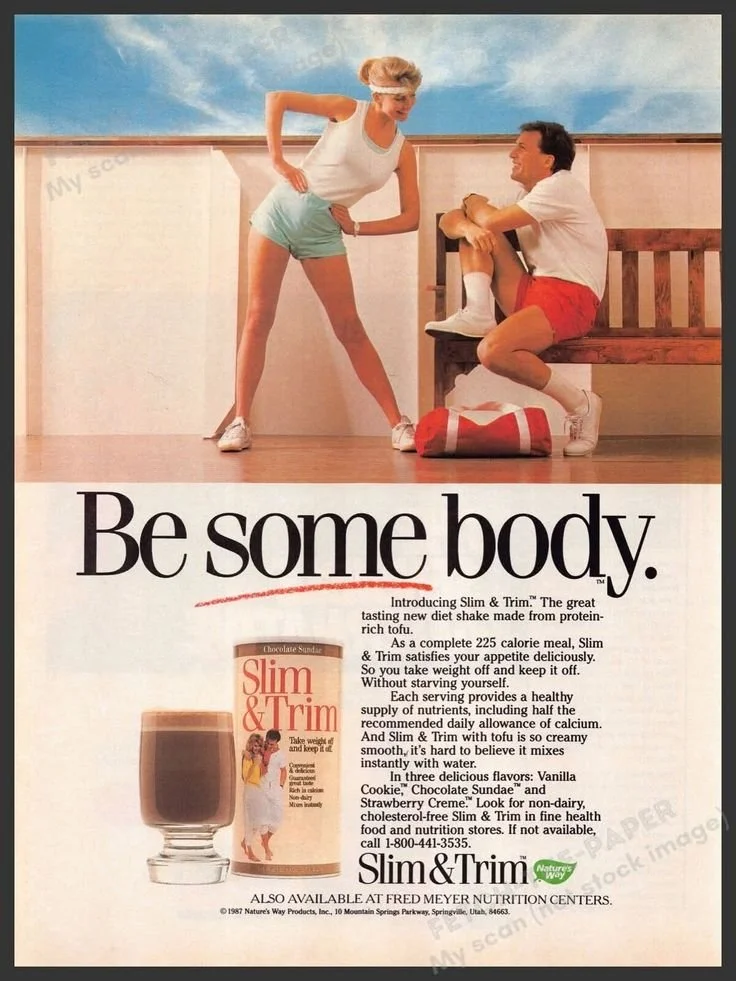
So as a trainer: not every tool, accessory, or modality being marketed to you right now is Pilates. Not everything done on a mat that utilizes tools like Therabands, mini bands, ankle weights, balance boards, TRX straps, Bosu balls, free weights, and Swiss balls is Pilates. It’s not. If we are taking the classical mat work approach, Joseph Pilate’s OG mat program used ZERO props. Someone telling you to buy a foam roller for “Pilates” is just selling corrective exercise and basic recovery tools. Many of the most effective programs a personal trainer will devise for you will include some aspect of balance, isometric holds, isolated strengthening, self-myofascial release, and core work. People are claiming this ethos on its own is what makes something Pilates. It is not. It is smart, strategic, progressive fitness programming. Especially if you are deconditioned or a beginner. Taking every exercise tool out there from hand weights to foam rollers to mini bands and labeling them as “Pilates props” is untrue and takes away a personal trainer and physical therapist’s thunder. These are exercise tools and making them more expensive because they are marketed to women and in fun colors like soft pink or baby blue is just another form of the Pink Tax that places unnecessary financial burdens on women as they work to manage their physical health.
What the Marketing Gets Wrong About Pilates
Pilates started as a prison workout. Something that was designed to be done anytime, anywhere, with just your bodyweight, in a small cramped space.
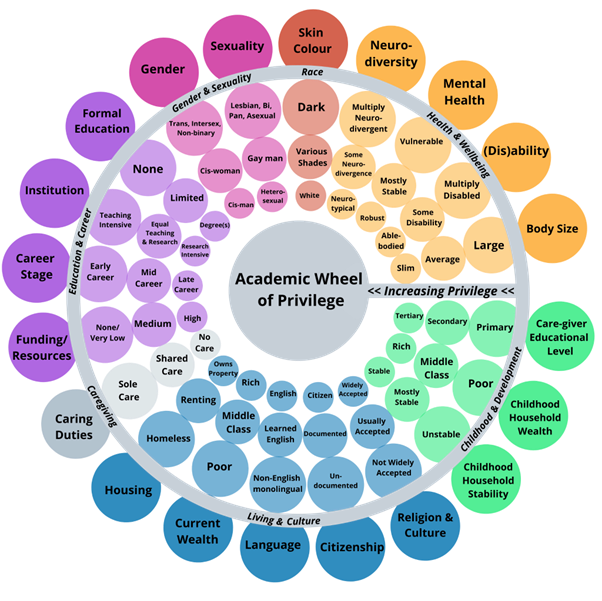
Current Pilates marketing is exclusionary. And it’s exclusionary in a lot of icky ways based around body shape, income level, skin color, gender and gender expression, and ability level. We know that as we work our way outside the space of privilege, that gaps in health and health outcomes get bigger. These are the populations that deserve access to Pilates the most.
Pilates is for everyone. It was started by a German immigrant who lived 3 years of his life in a detention center in World War I. The current marketing and influencer bubble around Pilates has made people think that in order to “do Pilates” they need to join an expensive studio with a monthly commitment ($150-$300+/month), pay an enrollment fee ($150), buy a bunch of brand-name matching gear to fit in, and show up with their nails, makeup, and hair already done. Oh yeah, and already be skinny and pretty and perfect. Yuck.
THIS IS NOT TRUE! PILATES IS ACCESSIBLE. I feel like brands and marketers and influencers are stealing this modality from people in a way when they keep doubling-down on this identity of Pilates as status symbol. And it makes me so mad because it stops people from participating in this modality because they don’t know how to practice it in a way that’s affordable, because they don’t see those options and the information out there.
I also hate this kind of messaging and creative as a marketer because it is a lazy money-grab that is just plain boring and uncreative. There is such an interesting story to tell about Pilates and no one is telling it. Why? Because it makes a lot of money quickly and easily. But the impacts on our collective psyche are not good and the people Pilates could most assist stay outside the bubble.
Repackaging a wildly accessible workout modality into something that looks complex, teaching people nothing about the science or history or thinking behind it, giving them studio instruction on a reformer but not teaching them how to do the same exercises at home on a mat, and then charging a premium price for what they’ve essentially made a gated service that you have to keep coming back for to get the benefit for… WHEW. It would be like if the LA Times put essential info about the Santa Monica fires in 2025 behind a freaking pay wall!
But companies do this because they know fear-based marketing preying on women’s insecurities and social conditioning still sells. Honestly, some of these studios and class packs and private sessions cost more than a visit to a physical therapist’s office or an orthopedic doctor. And Pilates and corrective exercise and mobility work as a practice is something that can keep you OUT OF THOSE PLACES FOR LONGER IN THE FIRST PLACE. Making this service and this information a luxury good is just wrong.
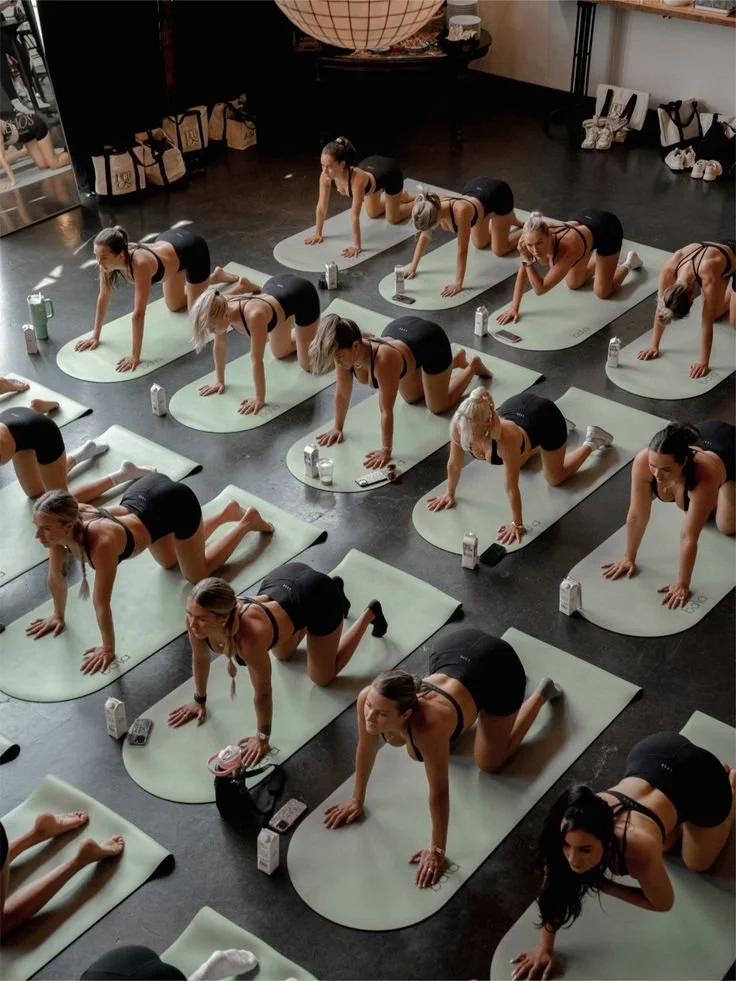
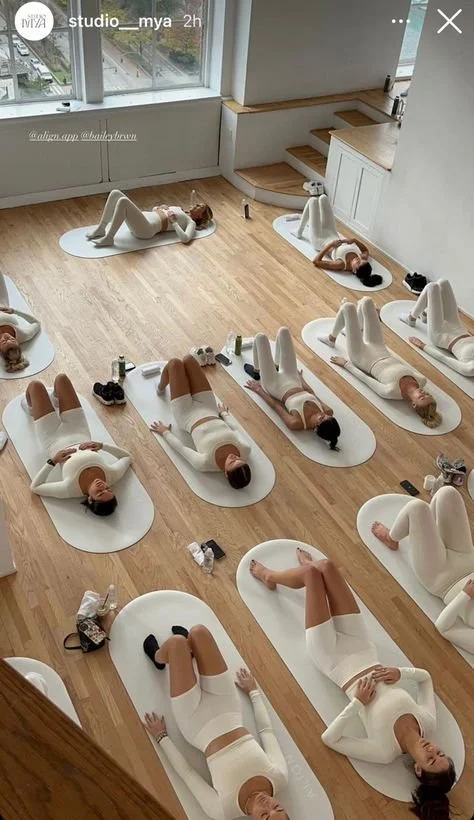
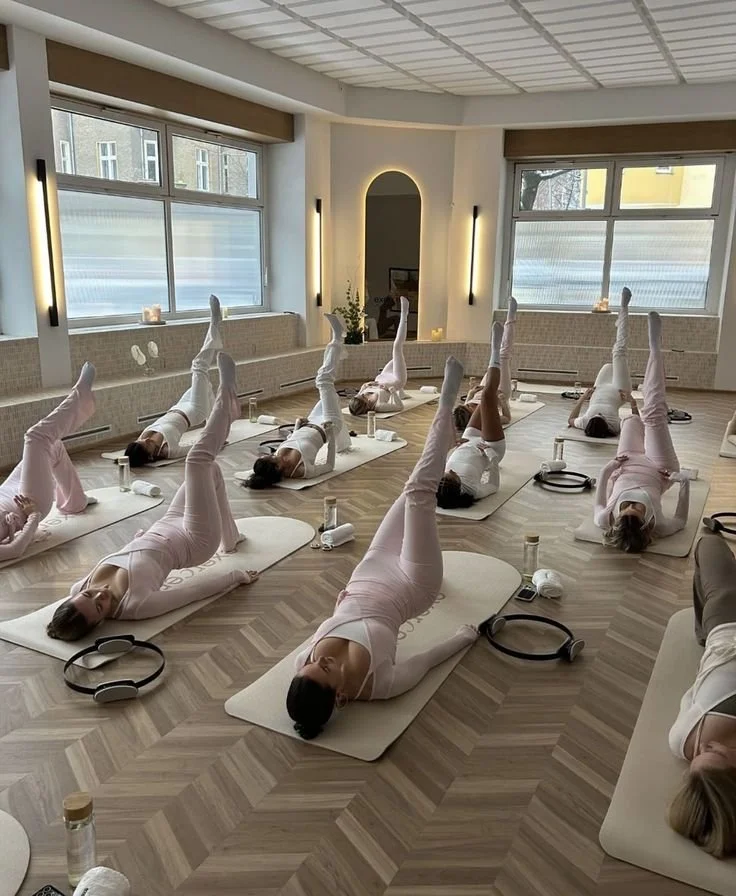
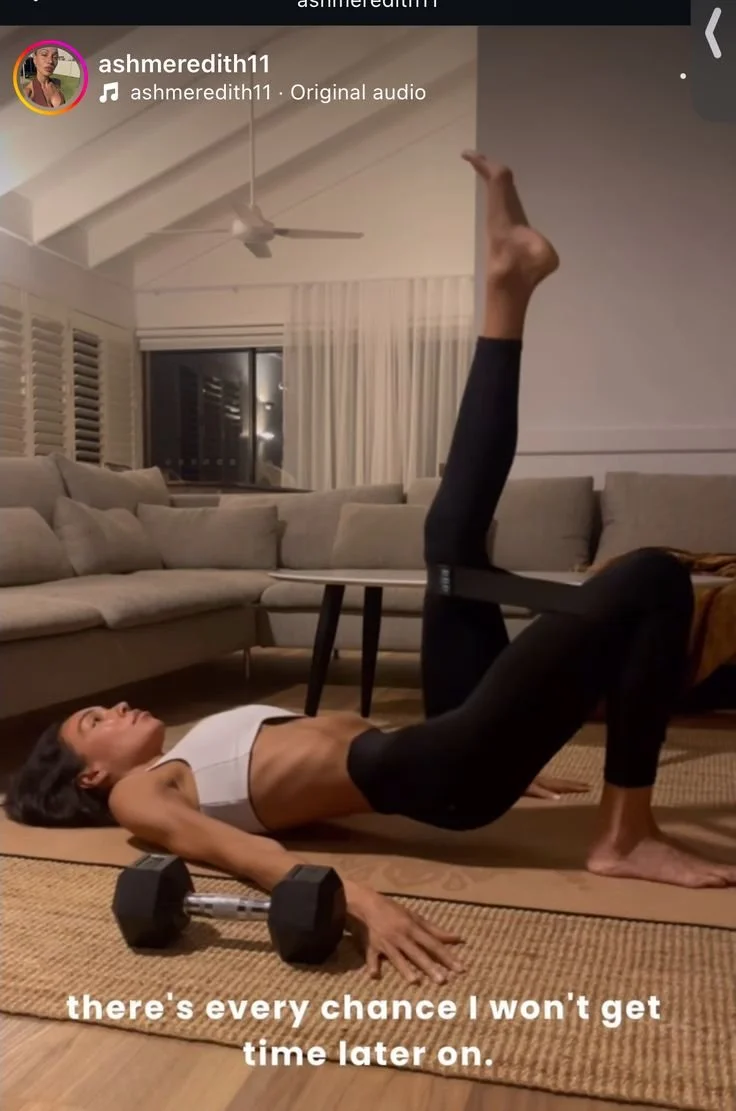
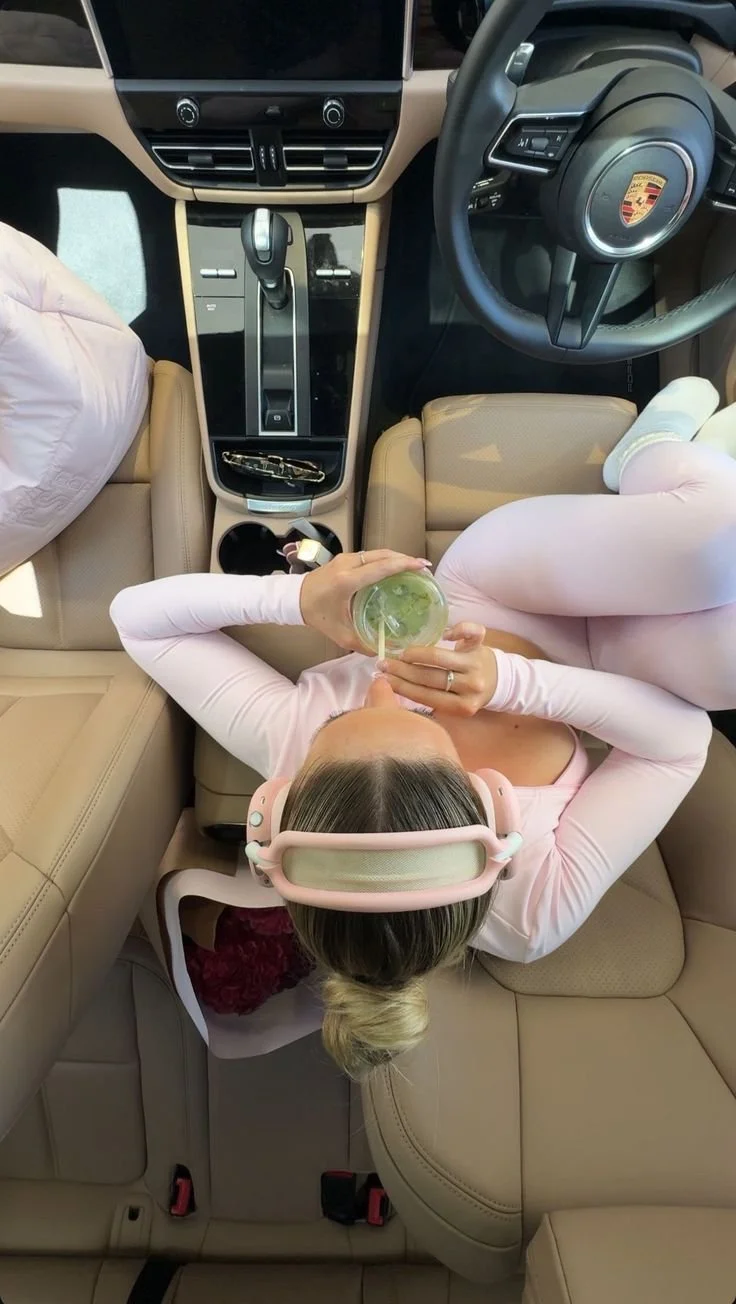
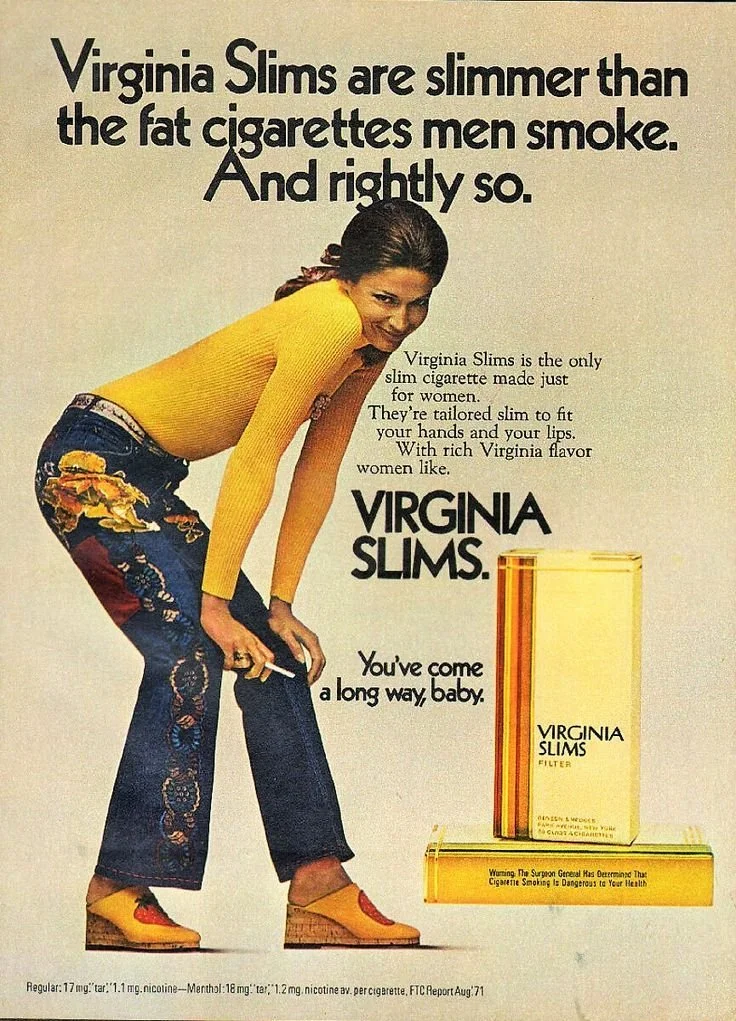
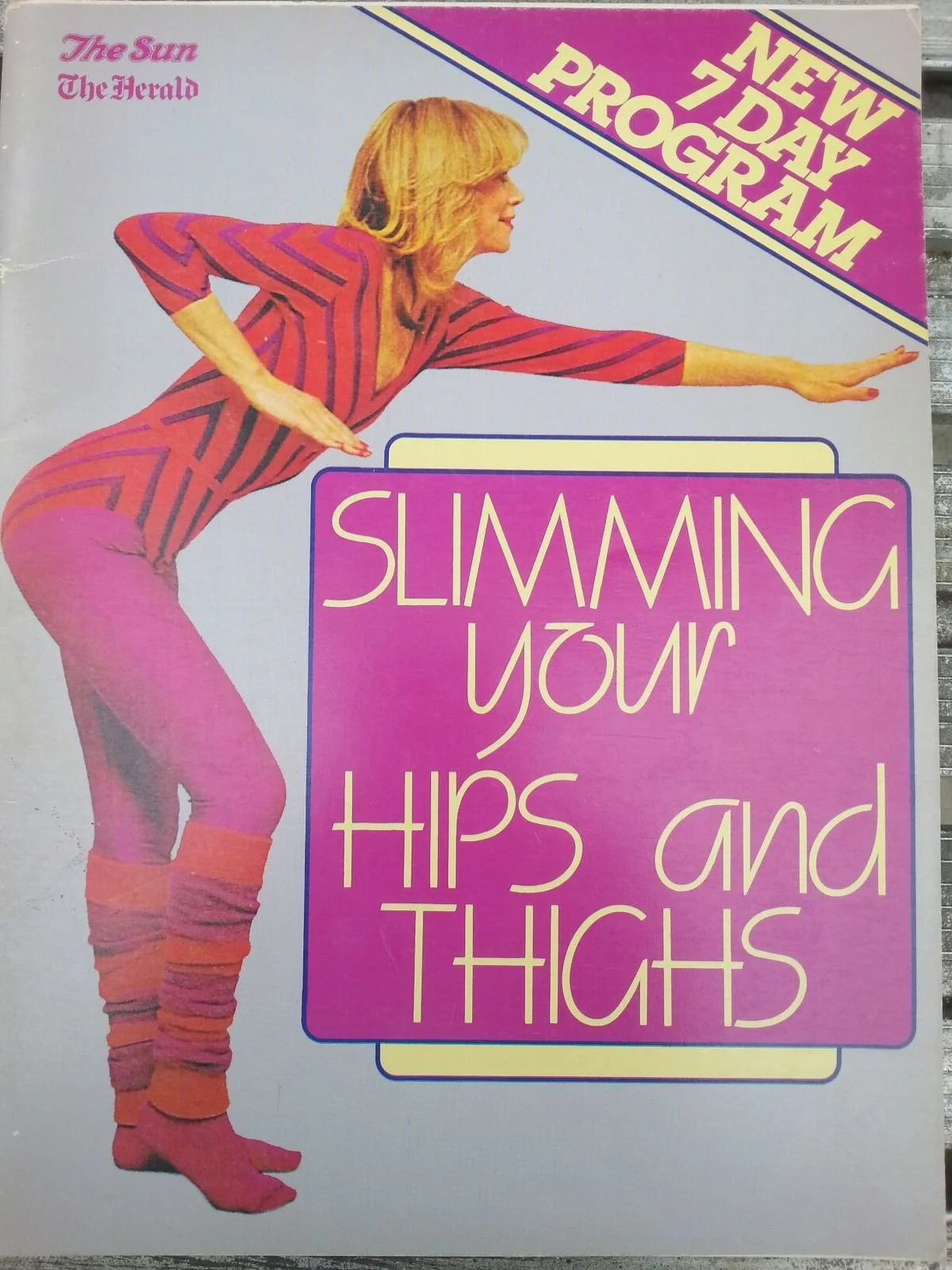
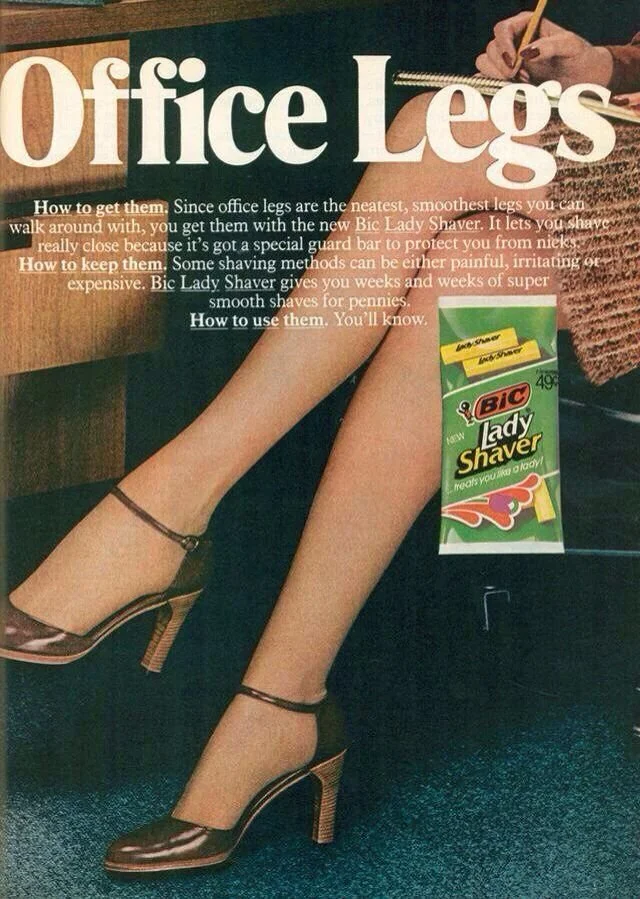
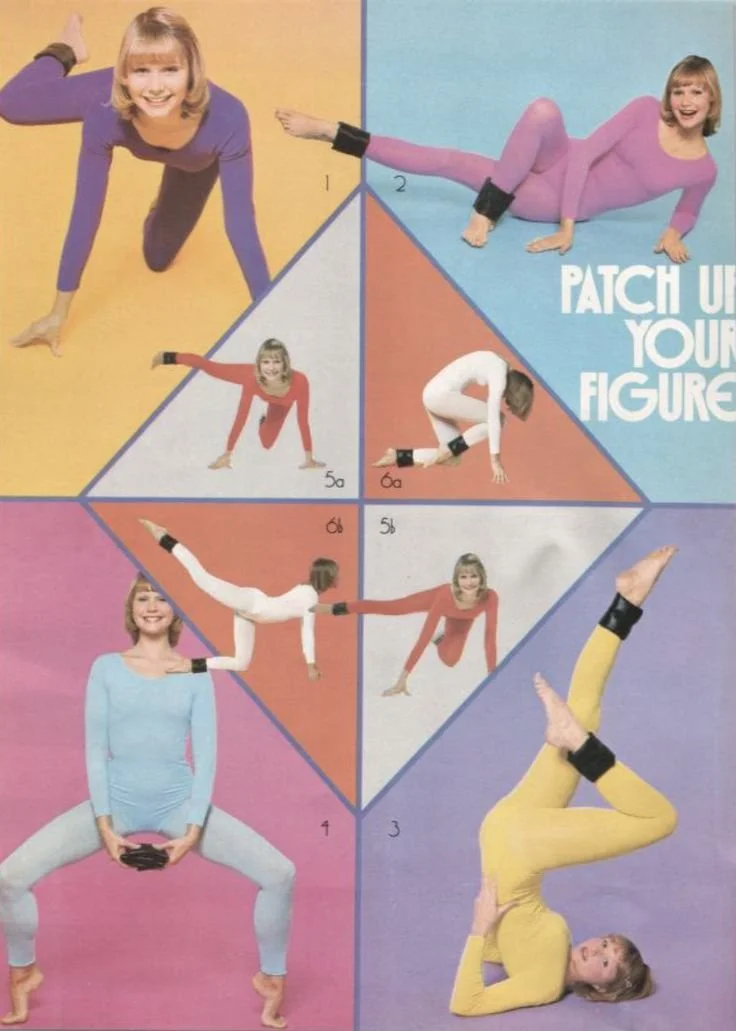
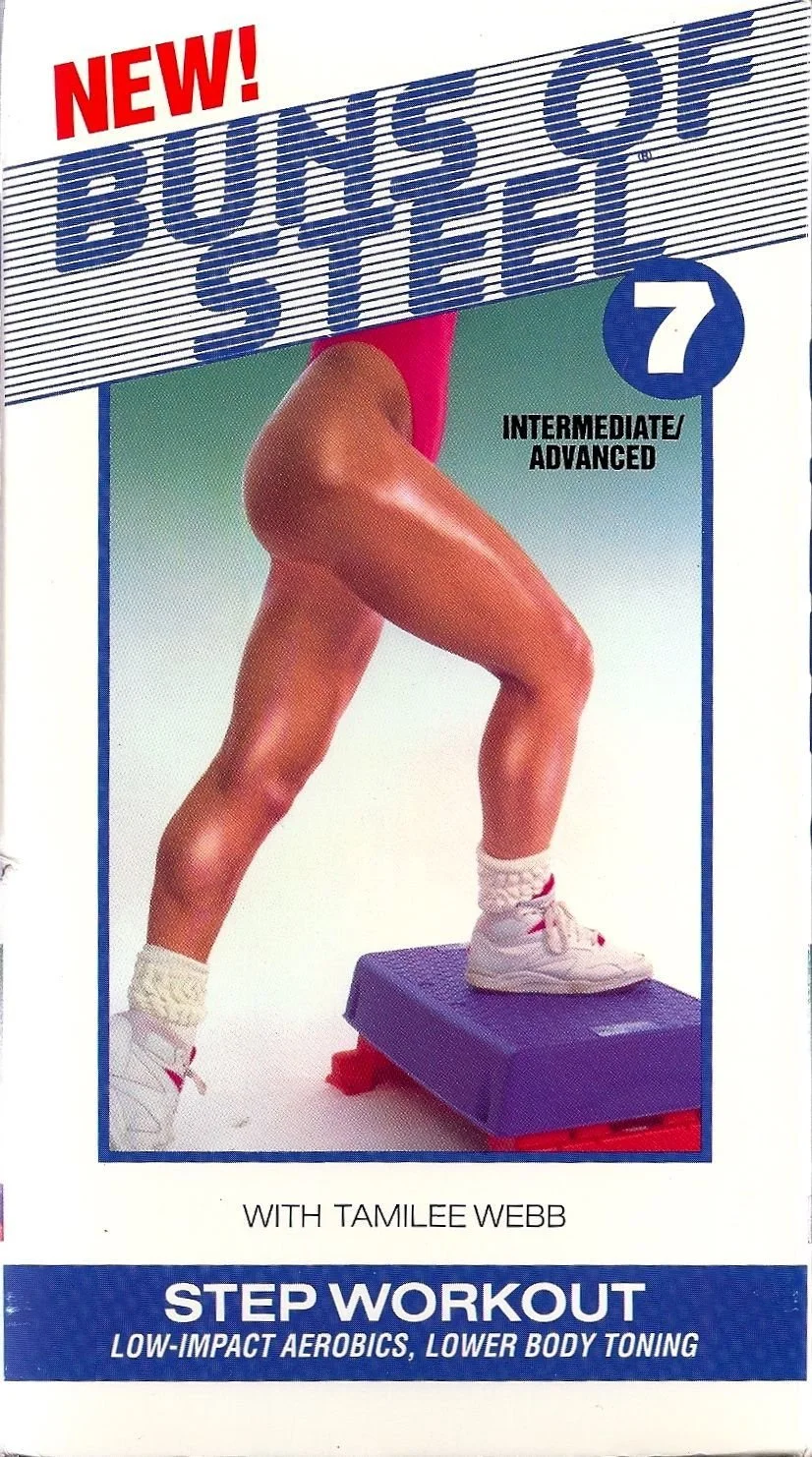
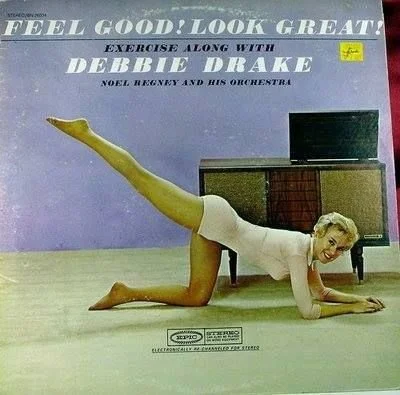
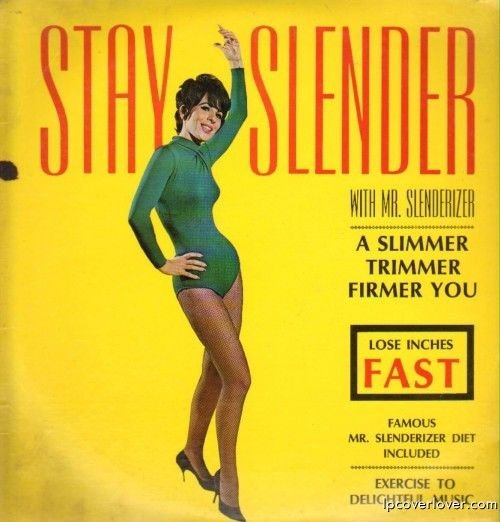
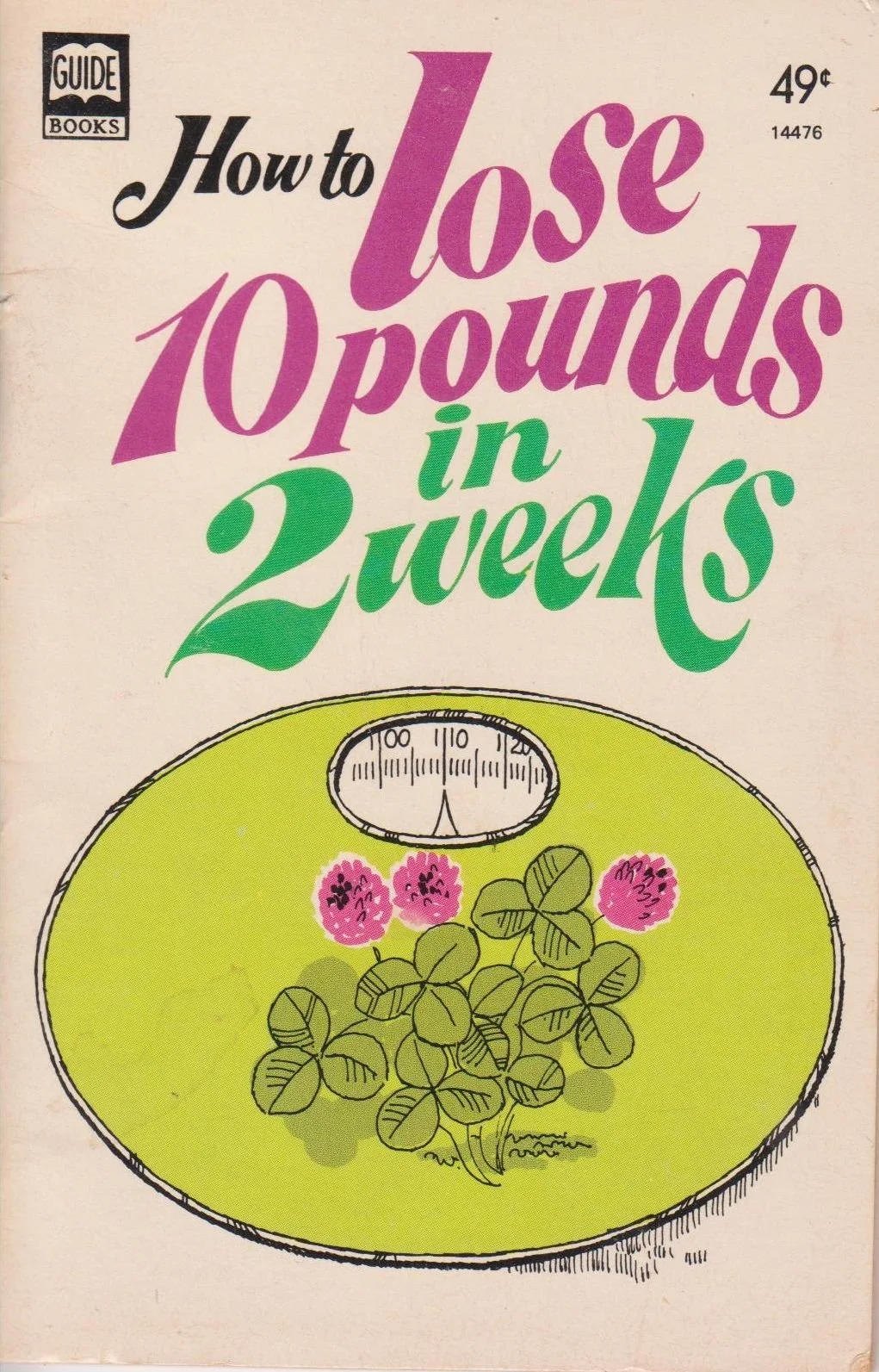
There is also a certain amount of just plain lying when it comes to Pilates marketing that makes me mad. This continues a long trend of women being lied to in the fitness space when it comes to overselling certain benefits and modalities, making ridiculous and downright problematic claims that only certain exercises are feminine, worthy, or that these practices alone are the only thing that will give you “Pilates arms” or “toned muscles” or a “long lean physique:, which is all just dog whistle speak for: Pilates will make you skinny. Pilates will make you smaller. Don’t get stronger. That’s bulky, and unattractive. Shrink yourself. This is both wrong information coupled with nasty messaging that makes women feel that the only way to be accepted is to be a size 2. Sigh. I thought we were moving past this.
Brands know that if you play on women’s insecurities, the mean-girl mentality some of us still can’t seem to shake, and the pressure society continues to push on us to be skinny and not take up space, they’ll make bank. Let’s change that and show them that exclusionary, insecurity-based marketing isn’t enough to get our hard-earned cash.
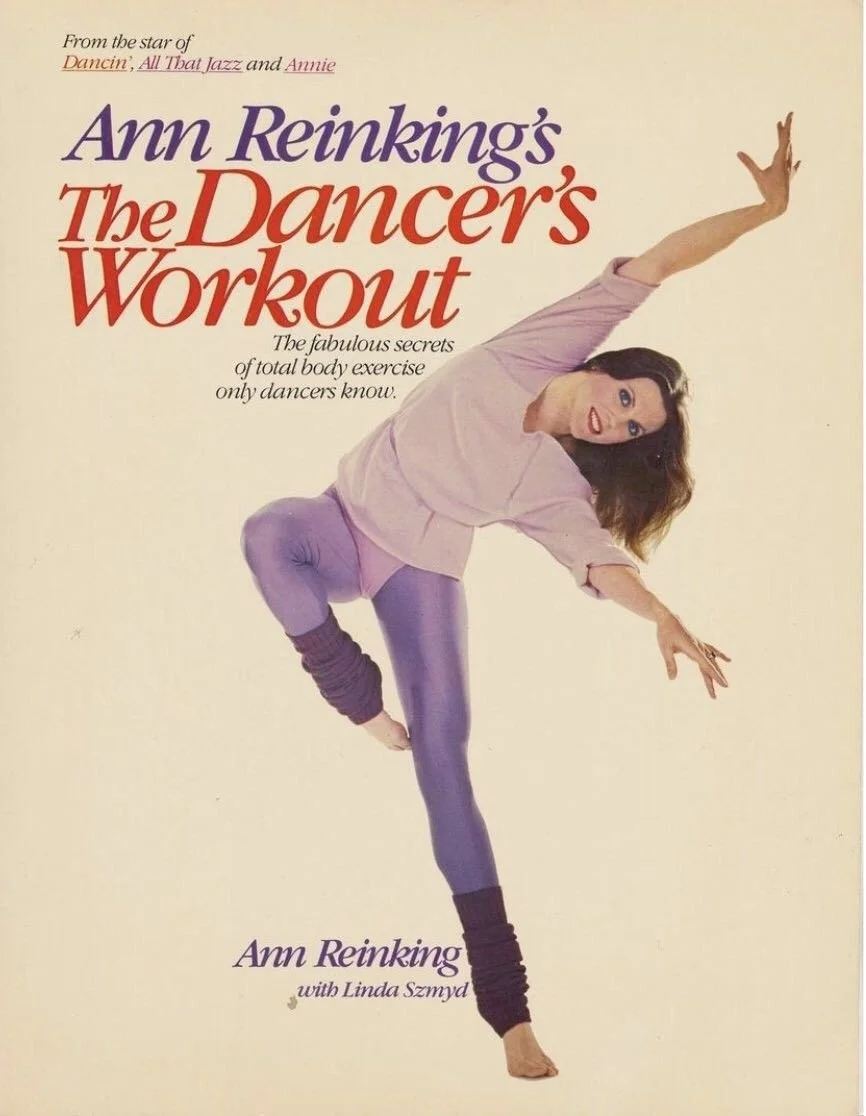
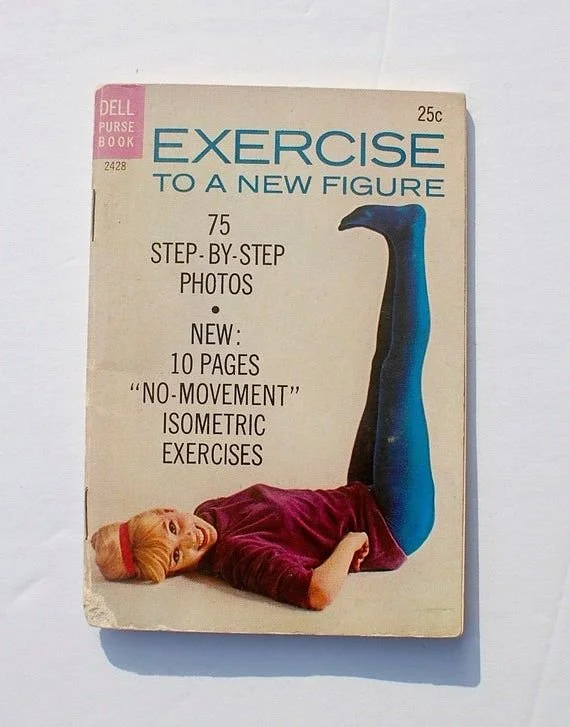
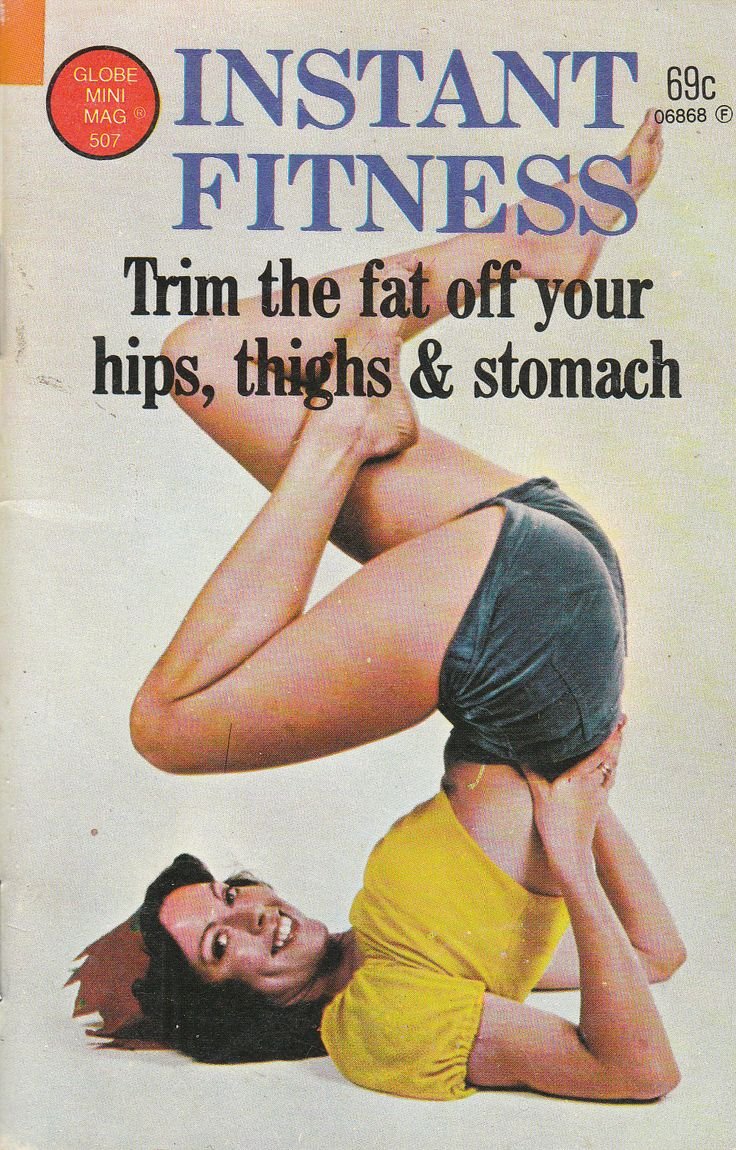
Reclaiming Pilates for Rehabilitation & Regular People
Currently the marketing of Pilates is very mixed up. Reformer Pilates is marketed to rich, already relatively fit people and then priced to match this population’s larger slice of expendable income. This keeps older adults, those with mobility limitations, or the disabled out, who by and large tend to have less money to spend on luxury goods, which Reformer Pilates has unfortunately priced and marketed itself into. Mat Pilates is marketed as a sub-optimal, poor-man’s version of the modality that is less of a workout and less effective at creating results. This is the opposite of reality. Classes may be cheaper and more accessible to come by, but this modality can actually be much harder physically than the trendy Reformer sessions we see already fit and injury or limitation-free people gliding across on social media.
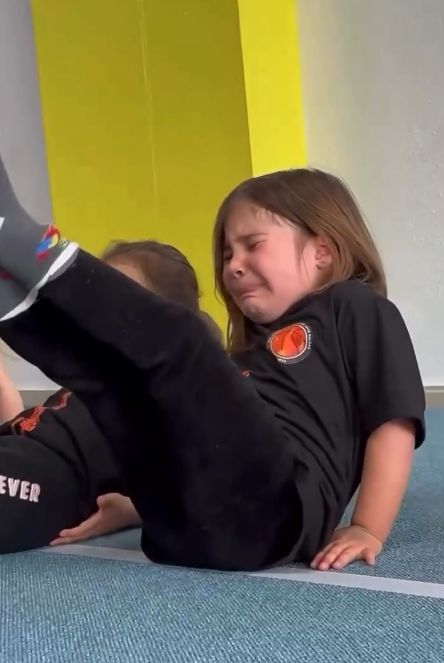
Live footage of me fighting for my life
at Pilates is inherently more difficult than Reformer Pilates. On a reformer, you have many pulleys and platforms supporting your bodyweight. As a personal trainer, you are taught to start deconditioned individuals, the elderly, those with balance issues, or those suffering from recent injury or a disability on seated weight machines if possible and appropriate. This is because seated machines provide stability and are easier to accomplish lift withs than free weights like dumbbells or kettlebells or barbells. The free weight section is where we progress clients once their strength, stability, and endurance has increased enough where they will be able to do the lifts successfully, safely, and correctly.
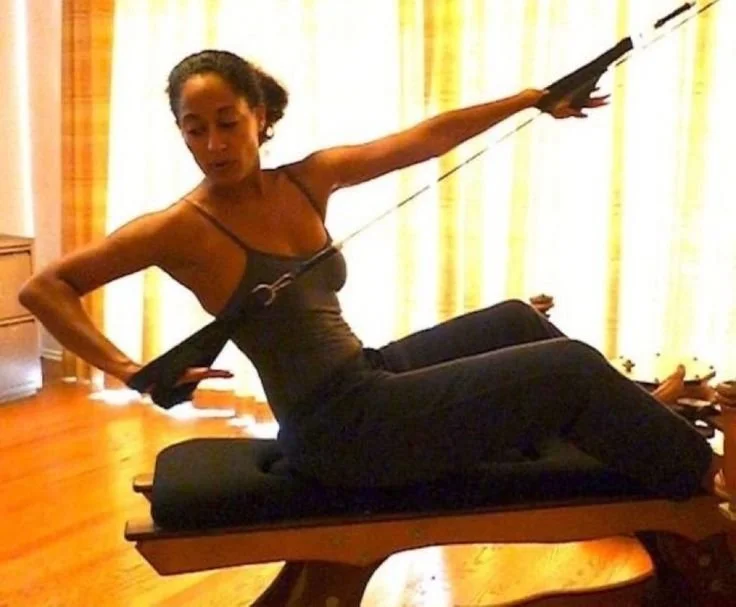
at Pilates is inherently more difficult than Reformer Pilates. On a reformer, you have many pulleys and platforms supporting your bodyweight. As a personal trainer, you are taught to start deconditioned individuals, the elderly, those with balance issues, or those suffering from recent injury or a disability on seated weight machines if possible and appropriate. This is because seated machines provide stability and are easier to accomplish lift withs than free weights like dumbbells or kettlebells or barbells. The free weight section is where we progress clients once their strength, stability, and endurance has increased enough where they will be able to do the lifts successfully, safely, and correctly.
Think of Reformer Pilates like the seated weight machine area and mat Pilates as free weights. Likewise, we need to make Reformer Pilates more accessible for the elderly, the disabled, and those living in bigger bodies or with chronic diseases or musculoskeletal dysfunction. We need to showcase these populations using Reformers in our marketing and create welcoming spaces for these populations to see Reformer Pilates as a tool specifically designed with them in mind to support their mobility and health. We should also do more work to make chair Pilates classes and studio sessions a bigger part of the Pilates marketing story for those who utilize walkers, canes, wheelchairs, and for those for whom supine and prone positions are either contraindicative or difficult to manage. We offer pre- and post-natal Reformer classes for pregnant people and market them effectively. We need to offer the same visibility and depth of classes to serve other special populations as well.

For people with little to no health, mobility, joint, or musculoskeletal concerns or limitations, mat Pilates must be marketed as both a superior workout designed to offer greater strength benefits because poses are held and maintained with only bodyweight. Encouraging people to see mat Pilates as the more difficult and advanced version of the exercise (which it is) could open more space in the Reformer world for populations that require the assistance the Reformer offers. This would also lessen the class and income divide in Pilates.
Usually if you book a Reformer class for the first time at a new studio, they will ask if you have done Pilates before. If you reply that yes, you practice mat Pilates, they often still treat you as if you are somehow less-than and a complete beginner, even if you have been practicing for years. I guess the belief is that because mat Pilates can be done at home for free with no expensive membership (or an instructor) they assume that you haven’t really been doing Pilates or doing it right. But if you’ve worked with an instructor at least once before, and follow videos with excellent cueing, and perform the movements with precision and discipline as designed, your solo home sessions might turn out to be much more difficult than the beginner Reformer classes they will undoubtedly place you in where you will get less of a workout and walk away having learned nothing new other than the various tools and straps and pulleys you use to do the same movements you’ve been doing at home for years! Mat Pilates must be made more accessible with marketing and influencers that do a better job of showcasing and celebrating modifications for those with mobility limitations, injury, pain, and muscle imbalance. Studio owners and instructors must also do a better job of treating regular mat practitioners as the potentially intermediate to advanced clients that they are and placing them in classes that challenge them appropriately.
We need to show more variety in marketing materials of who is the face of Pilates. More larger bodies, older adults, people of color, disabled practitioners, working class people, shift workers, and men. The real face of who practices Pilates is diverse and reflective of the real world. It’s time marketers and studios catch up.
Sources:
Pilates for Everyone by Micki Havard: 9780744048889 | PenguinRandomHouse.com: Books
The Pilates Body by Brooke Siler: 9780767903967 | PenguinRandomHouse.com: Books
Opinion: Who gets to be an 'L.A. Pilates girl'? - Los Angeles Times